

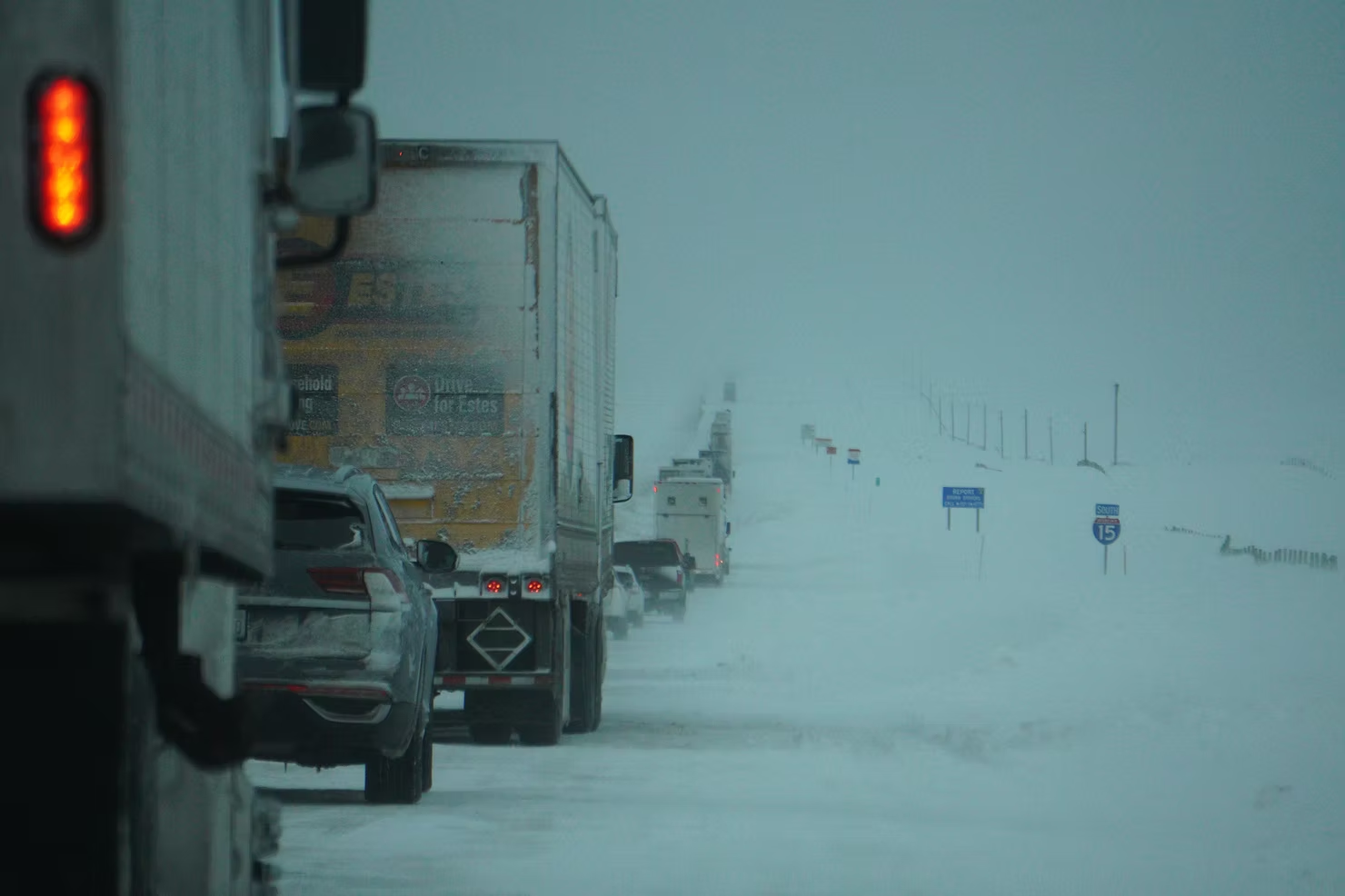
Between December and March, colder temperatures introduce a unique set of challenges when shipping resin-based products. During this time, “Protect from Freeze” becomes a specialized service that enters directly into our shipping and logistics planning. This service is critical to preventing the destruction of temperature-sensitive, resin-based products such as MaxGuard, SafeGuard, Fortify, and VaporLock.
Many water- and resin-based coatings can be permanently damaged if they freeze during transit. Once frozen, these products may lose performance characteristics, consistency, or shelf stability—making them unsuitable for professional use. That’s why Protect from Freeze measures are not optional in winter conditions; they are essential.
To maintain product integrity, carriers employ a variety of methods to ensure shipment temperatures remain above 32°F (0°C) throughout the journey.
The most secure method of freeze protection involves using temperature-controlled trailers, commonly referred to as refrigerated or “reefer” trailers. While often associated with cooling, these trailers can also be set to heat the cargo area and maintain a specific temperature range. This approach provides the highest level of control and is often used for especially sensitive shipments.
In addition to trailer control, carriers may rely on insulated packaging solutions to slow temperature fluctuations. This can include thermal blankets, insulated pallet covers, or insulated box liners. These materials create a protective barrier around the shipment, helping retain heat and reducing the risk of exposure during loading, unloading, or short stops.
When shipments are parked overnight or held over weekends, carriers may store them in heated warehouse facilities or designated “warming rooms.” These controlled environments prevent prolonged exposure to cold outdoor temperatures, which is often when freeze damage is most likely to occur.
Carriers also take a proactive approach through weather monitoring and route planning. By tracking forecasts and avoiding the coldest regions when possible, they reduce risk along the way. Protect from Freeze (PFF) shipments often receive expedited handling, minimizing the amount of time products spend sitting in unheated trailers or on loading docks.
Shipments clearly marked as “Protect from Freeze” (PFF) on the Bill of Lading (BOL) are routed into the carrier’s specialized handling network. These shipments are monitored throughout the journey to ensure freeze-protection protocols are followed from pickup to delivery.
Getting your orders to you on time and without damage is our priority. Winter shipping requires extra care, coordination, and planning—but it ensures the products you receive perform exactly as intended. So if you see “Protect from Freeze” on a bill of lading this winter, now you know why.
