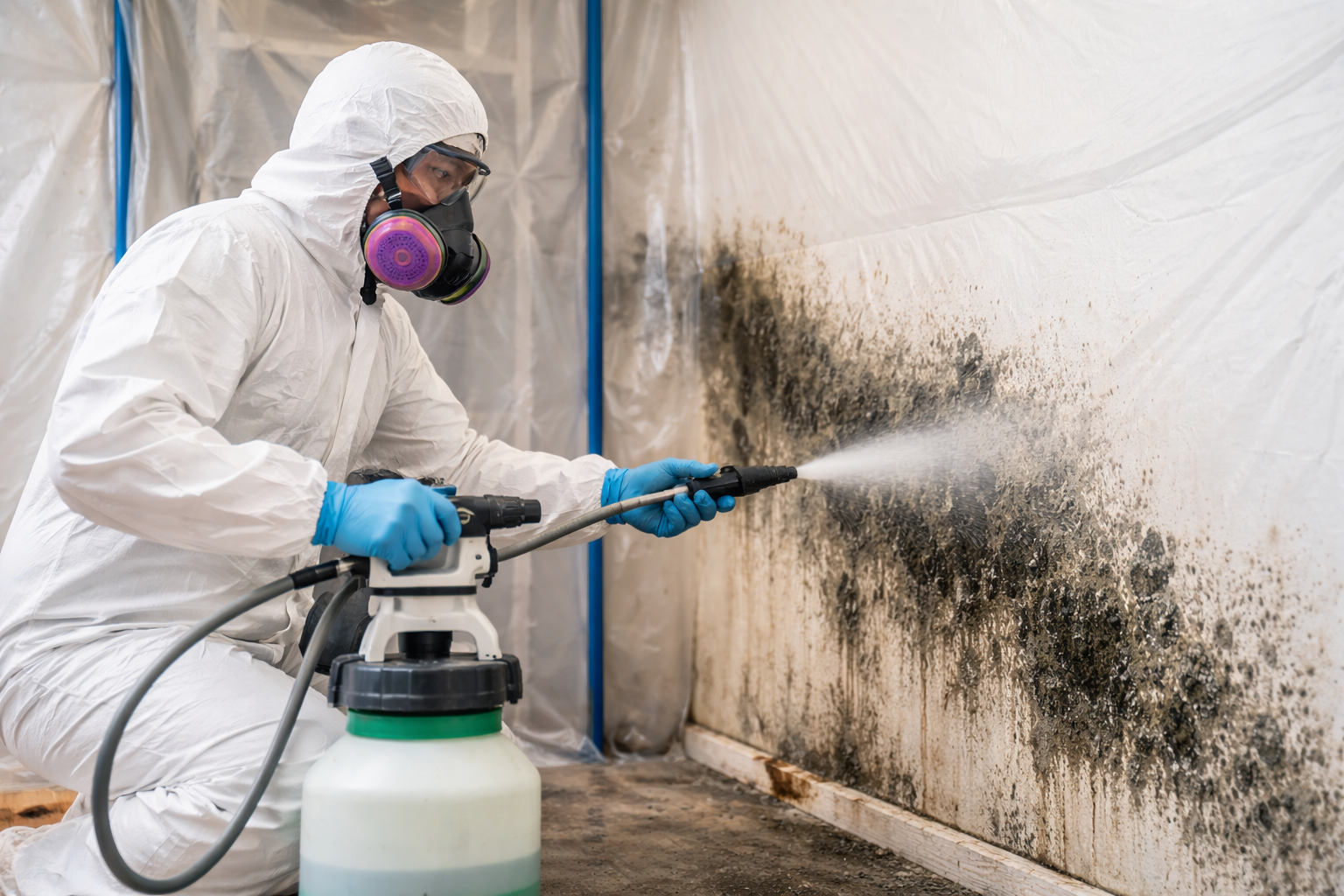
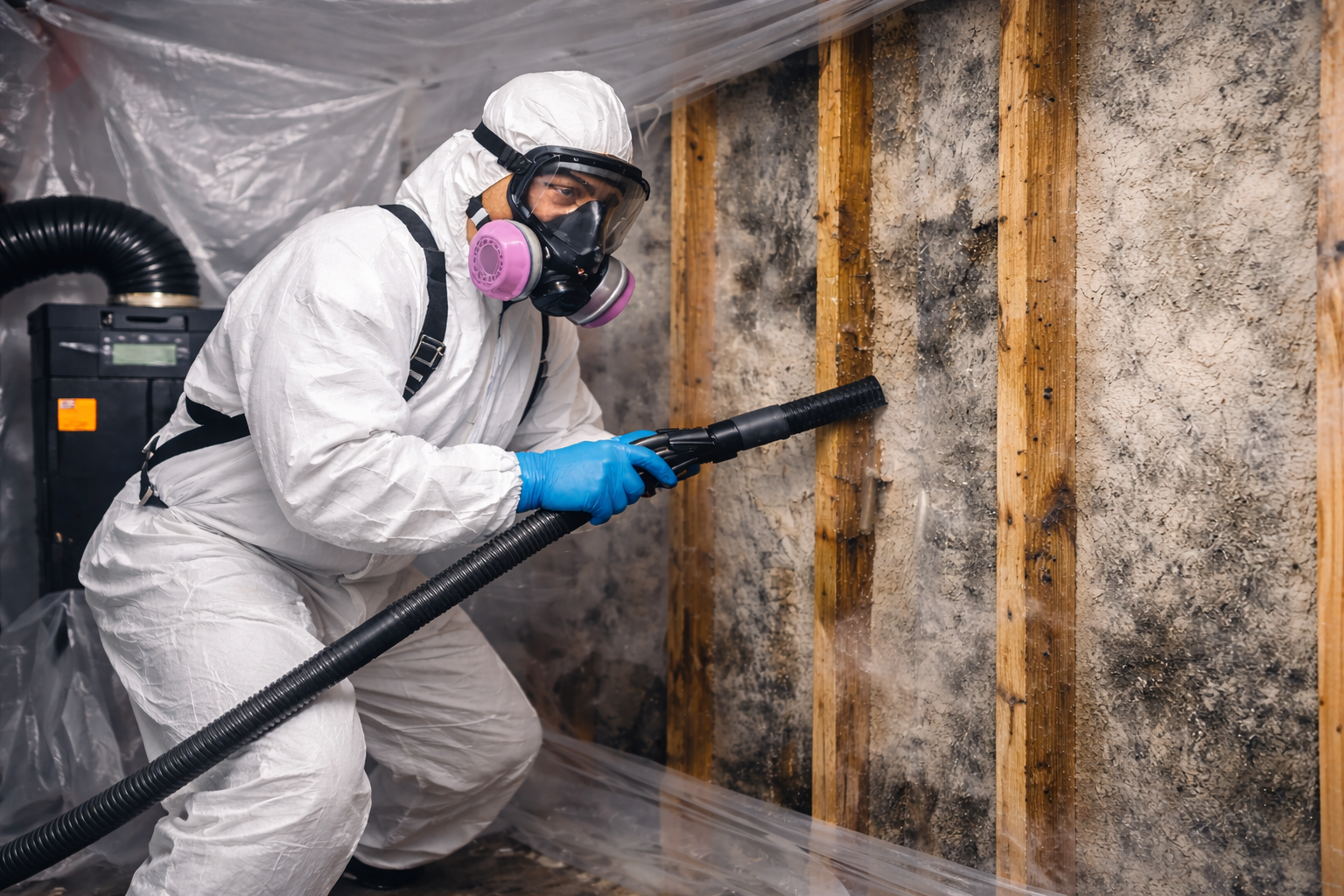
Safety is the foundation of every successful remediation project. Understanding exposure levels and selecting the right protective equipment ensures not only compliance but also the health and safety of your team. At Enviroguard, we emphasize the importance of classifying exposure correctly and equipping workers with reliable protective solutions.
The Three Types of Exposure
The remediation environment can vary greatly depending on the scope of work, chemicals in use, and duration of exposure. The IICRC framework identifies three main types of chemical exposure:
Incidental ExposureThe likelihood of chemical contact is minimal, although occasional mist may occur.
Direct ExposureMinimal chemical contact is expected, with occasional spray or splash possible.
Prolonged ExposureChemical contact is continuous, and over-spray or dripping is certain.
Accurately identifying the type of exposure in each situation is critical, as it directly determines the protective equipment required.
Recommended Protective Equipment
For Incidental Exposure
MicroMax NS (ANSI) Microporous A: A breathable, non-woven material designed to resist dirt and incidental chemical contact. It offers reliable protection while maintaining comfort.
Push Lock System: Provides a secure seal to minimize exposure risk.
Hand Protection:
Task Gloves (4 mils) for light-duty protection
Work Gloves (11 mils) for moderate use
Reusable Gloves (15 mils) for extended wear and durability
For Direct or Prolonged Exposure
More advanced respiratory and protective solutions are required:
3M Organic Vapor Acid Gas Cartridge Filter 30923 P100: Protects against a wide range of chemical vapors and gases.
3M Full Facepiece Respirator Packout 07163: Offers full-face protection with a secure fit for environments where continuous chemical contact is present.
Supporting Resources
Beyond equipment, safety comes down to preparation and education. Enviroguard provides support guides to help teams make informed decisions about protective gear and exposure risks. These guides are available through our store and are designed to be practical tools you can reference on the job.
Learn more by watching this extract from our Passive Mold Remediation Boot Camp.